Research
My research explores the openness of artistic practice as a space for experimentation, transformation, and imagining forms of knowledge that do not yet exist.
I investigate how artistic practices generate and transform knowledge in moments of cultural, political, and historical change. Moving between artistic research, art history, performance, film, and critical theory, I am interested in moments when established ways of knowing become unstable and other possibilities emerge.
Across my work, transformation is both an object of inquiry and a method. I approach knowledge not as something fixed or simply transmitted, but as something performed, embodied, mediated, and continually remade. Artistic practice is therefore more than an object of research or a means of representing existing ideas. It can itself be a mode of thinking: a space in which concepts are produced, histories reopened, and relations between bodies, images, materials, and forms of knowledge reconsidered.
This perspective connects seemingly disparate areas of my research—from alchemy, avant-garde practices, punk, performance, and experimental film to contemporary forms of cultural production. I understand these not as separate subjects but as different configurations of a larger question: how do aesthetic practices participate in the production of knowledge, and what kinds of knowledge become possible through them?
My research combines historical inquiry with artistic experimentation. Rather than using history simply to explain the present, I use artistic practice to reopen historical questions and activate their unresolved possibilities. Nor do I use artistic practice to illustrate theory; I use it to produce concepts. Film, performance, archival work, writing, and other artistic forms become epistemic experiments through which different kinds of knowledge encounter and transform one another.
This is why alchemy remains important to my thinking—not simply as a historical subject or metaphor, but as a methodological proposition. Alchemical thinking offers a way of understanding what happens when heterogeneous materials, histories, images, practices, and forms of knowledge are brought into relation. At its core, alchemy is a practice of transformation: of breaking things down, distilling and sublimating them, and recombining their elements so that something different can emerge. In my work, history can become performance, archives can generate futures, theory can become image, and artistic experimentation can become critical thought.
Underlying this research is a non-linear understanding of history. Ideas recur, symbols migrate, forms mutate, and abandoned possibilities return under different cultural and political conditions. These recursions allow artistic research to question established genealogies and discover possibilities within the past that remain unfinished.
At the centre of my work is imagination as a form of knowledge. Imagination is not an escape from reality, but a way of encountering reality differently: making connections, testing possibilities, and giving form to what cannot yet be fully articulated. For me, artistic research begins precisely there, creating situations in which inherited forms of knowledge can be unsettled, transformed, and recombined—and new forms of knowledge can emerge.
Epistemic Imagination, or Art as a Way of Knowing
Books
-
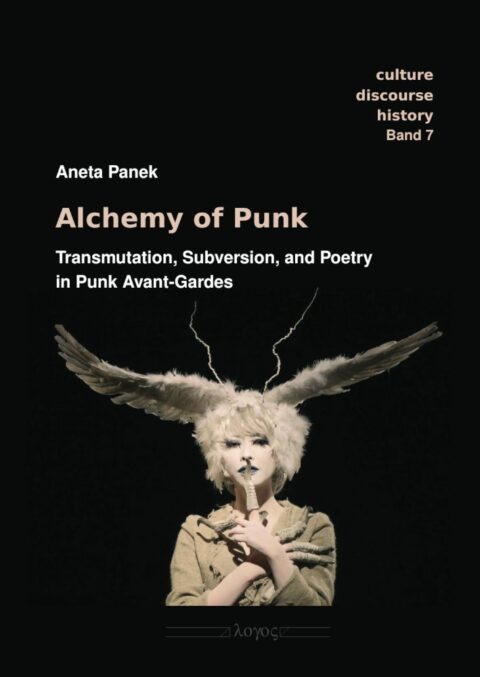
Alchemy of Punk. Transmutation, Subversion, and Poetry in Punk Avant-Gardes
Thesis and opera, developed as part of a PhD: punk’s poetics and motifs, its genealogy and its subversive reinvention.
-
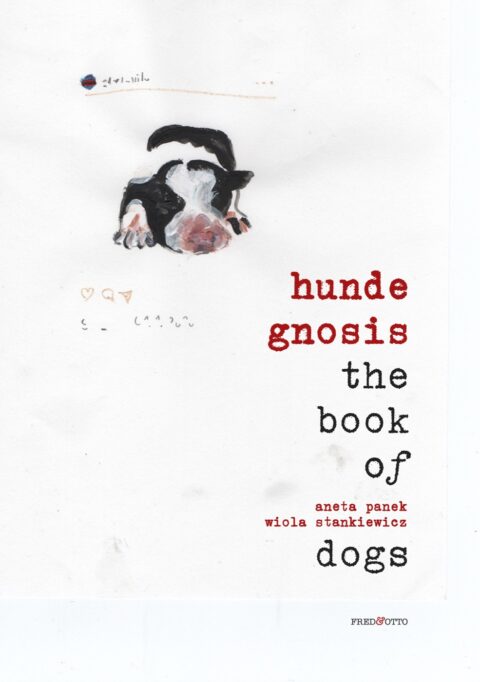
hunde gnosis. the book of dogs
Poems, short texts, illustrations and photographs about living with dogs, after Gertrude Stein’s “I am I because my little dog knows me”.
-
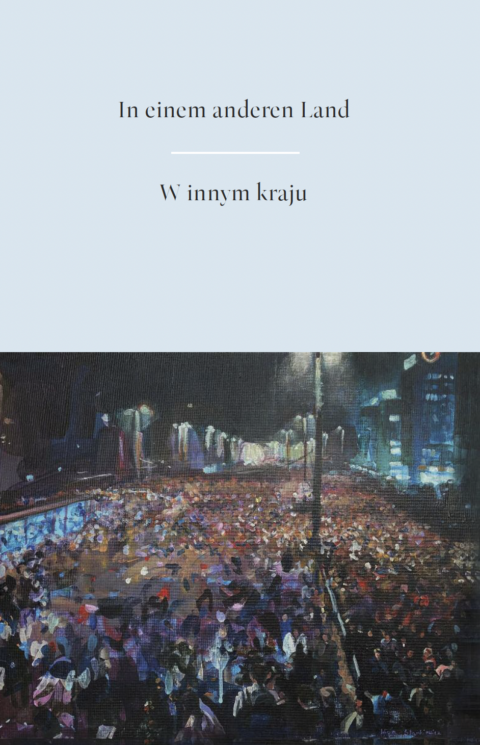
In einem anderen Land / W innym kraju.
Poetry anthology and experimental documentary film commissioned by the German Consulate General in Kraków. Although this work combines publication and artistic production, it exemplifies my practice-based research methodology by integrating poetry, documentary film, memory studies, and intercultural dialogue. It demonstrates the close relationship between my scholarly inquiry and artistic practice.
Texts
-
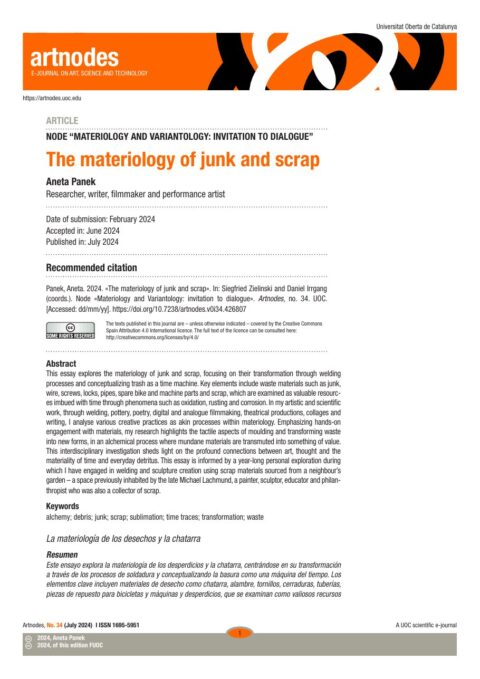
The materiology of junk and scrap
Junk and scrap as a time machine: welding, rust and corrosion, and the alchemical transformation of waste into something of value.
-
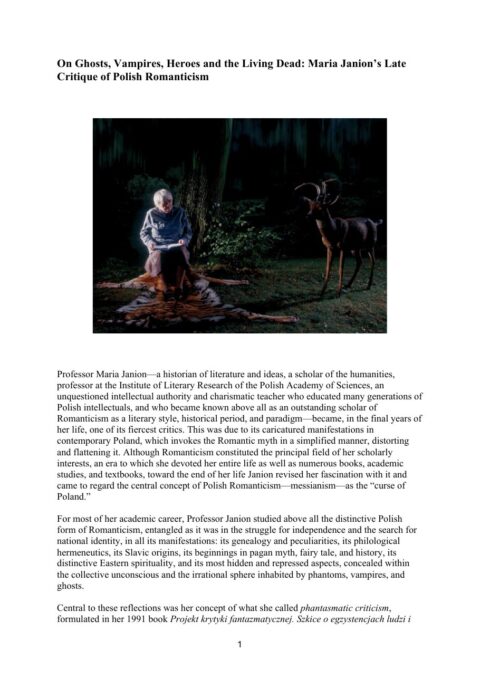
On Ghosts, Vampires, Heroes and the Living Dead: Maria Janion’s Late Critique of Polish Romanticism
On Maria Janion’s late turn against Polish Romanticism and its messianism.
-
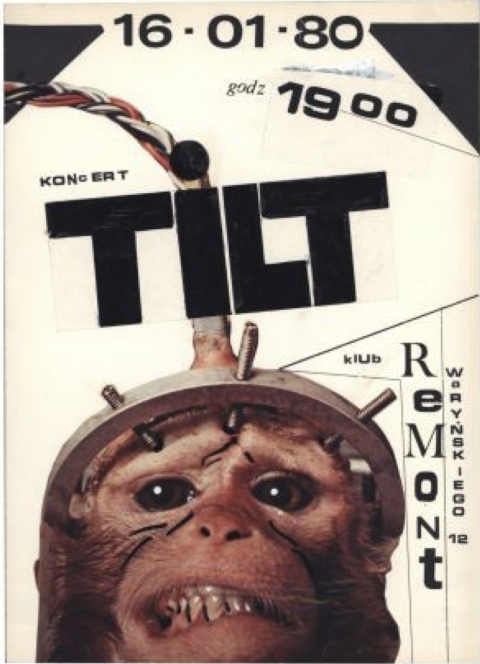
Poster for a show by Tilt at Remont, 1980 Punk in Poland
On the Raincoats at Galeria Remont, Warsaw, 1 April 1978: the first gig of a Western punk band in Poland.
-