Adagio Largo Larghissimo
Performance · 2022 · body · experimental film · ritual · slowness
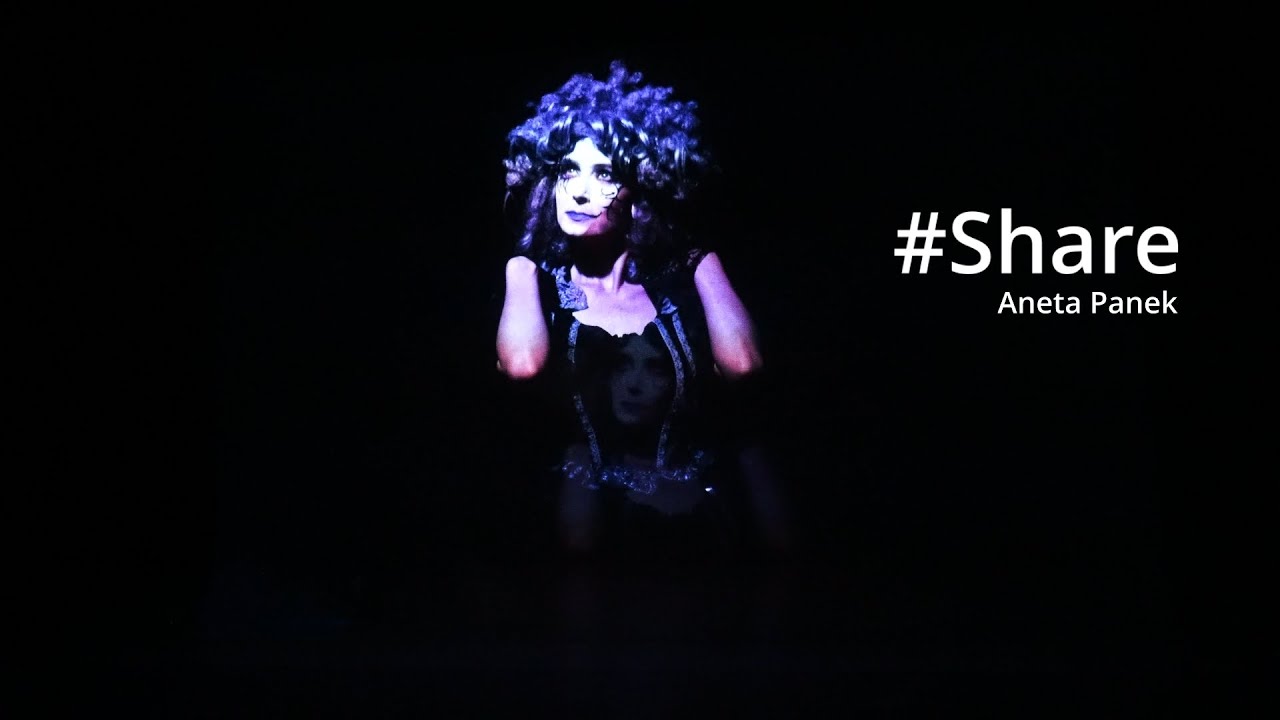
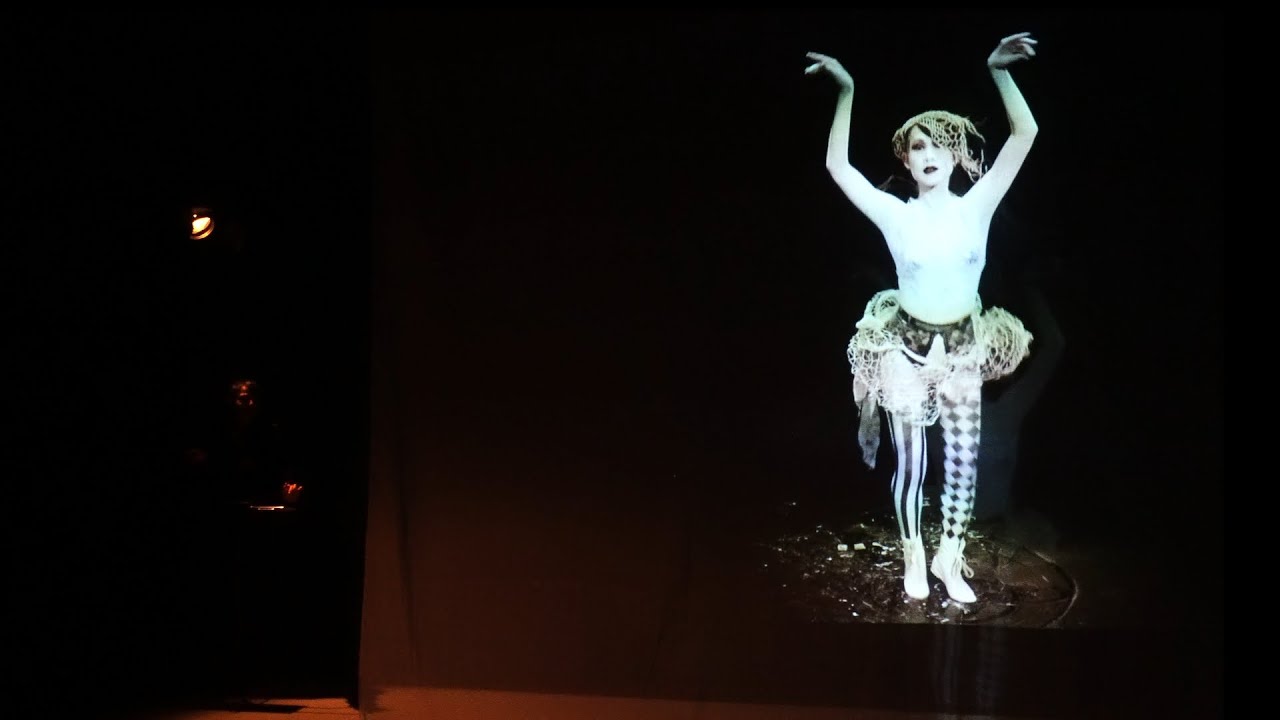
An investigation of slowness by means of projection, movement and music. In a process of extreme deceleration, cinematographic motion and its expressive potential will be examined on projected bodies. Musicians are interacting live on stage with projected holograms in a sort of dance with ghosts.
Slowness, deceleration, languor, lassitude, and dreaminess are the objects of this cinematographic and musical experimentation in a theatrical space. Projections of performers, and of some archival motion pictures, are accompanied by electronic music, recorder, theremin and vocals, performed live onstage.
The piece is dedicated to what we know as slow motion in film, it is inspired by the origins of the cinema, as well as by musical exploration of tempi. Cinema as we know it now has drawn on several ancient traditions such as storytelling and necromancy, enhanced by moving or projected images by means of devices such as: camera obscura, magic lantern, or the later multi-media phantasmagoria utilizing mechanical slides, rear projection, mobile projectors, superimposition, dissolving views, live performance, smoke, odors, sounds, etc. There is a rich tradition of sightings of ghosts and spirits, that may have been conjured early on in history by means of concave mirrors, camera obscura or other devices. Around 1790, this tradition developed into a sort of multimedia ghost shows known as phantasmagoria. In its ghostly imagery, our piece clearly refers to this tradition. It also invokes the very first attempts to capture movement: stereoscopic photography from the 1840s, first experiments in instantaneous photography in the 1850s, chronophotography invented almost simultaneously by Edward Muybridge in 1878 and by Étienne Jules-Marey in 1882, and first motion pictures introduced by the Lumière brothers in 1895.
In music, particularly in the work of such eminent post-war artists as Stockhausen, Pierre Schaeffer, and John Cage, pace and time conventions have been questioned fundamentally. As Slow as Possible, a musical piece composed by John Cage in 1987 might be an apt example thereof. It is one of the longest-lasting musical performances yet undertaken, that began in 2001 on an organ in St. Burchardi church in Halberstadt and that is due to end in 2640. In our musical exploration of slowness, we will be experimenting with notions of pace, acousmatic sound, disappearing of tones, indeterminacy, and silence, by means of electroacoustic music, recorder, theremin and spoken word.
- Concept, Regie, Projections & Vocals
- Aneta Panek
- Music
- Katja Kettler
- Slowmos & Sounds
- Francois Engrand
- Costume & Make-up
- Misa Namura
- Performers on screen
- Chomo, Elina, Aneta, Krystyna, Kostek, Takushi, Tabea & Paul
 Film
#share 1
Film
#share 1
 #share 2